
Managing Fear and Greed: The Two Emotions That Decide Most Accounts
 July 12, 2026
8 min read
July 12, 2026
8 min read
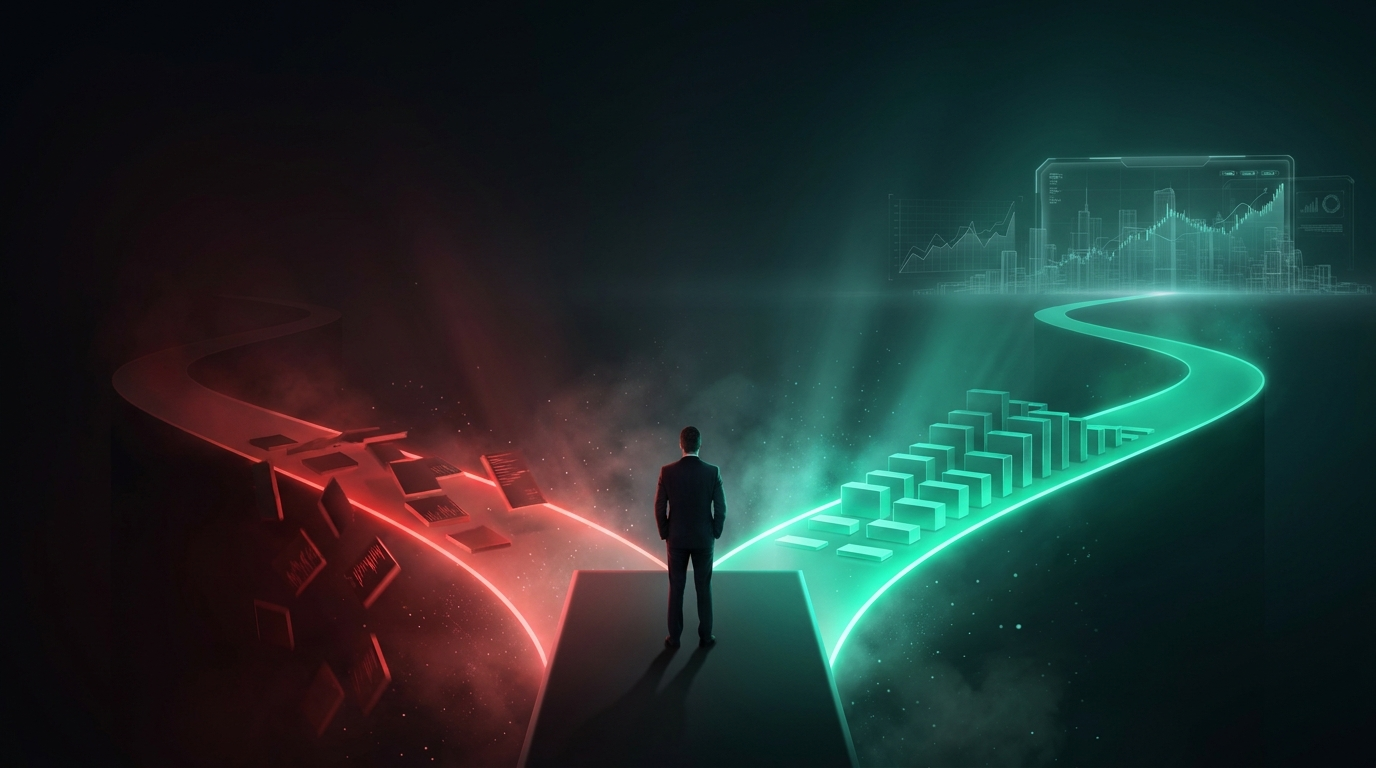
Most traders lose money for a reason that has nothing to do with charts. They lose because of fear and greed. When it comes to trading, these two emotions quietly steer more decisions than any indicator, and they usually push in the exact wrong direction at the exact wrong moment. Fear makes you cut winners early and freeze on good setups. Greed makes you oversize, chase, and hold losers hoping for a turn. The strategy might be sound. The execution falls apart because emotion took the wheel. Fear and greed drive most trading mistakes, the impulses the CFTC warns against in its advice not to react to hype; FINRA's day-trading guidance stresses disciplined risk control.
This is not a character flaw. Fear and greed are hardwired survival instincts, and the market is one of the few places where those instincts consistently work against you. The goal is not to feel nothing. That is impossible, and traders who claim it are usually the ones about to blow up. The goal is to notice the emotion, keep it from making the decision, and let your rules decide instead.
In this guide we will name the two emotions clearly, walk through exactly how each one hijacks a trade, and lay out the discipline that keeps them in check. The place to build that discipline is a structured, simulated environment, where you can feel fear and greed in real time without your own capital paying the tuition.
Key Takeaways
- Fear and greed are the default, not the exception. They influence nearly every discretionary decision unless you actively manage them.
- Fear cuts winners and freezes entries. It protects you from short term pain at the cost of your edge.
- Greed oversizes and chases. It turns a good plan into an oversized bet at the worst possible time.
- Rules are the antidote to emotion. Pre-decided entries, stops, and size remove the moment where emotion takes over.
- Awareness comes first. You cannot manage a feeling you refuse to notice, so name it before it names your trade.
Table of Contents
- The Two Emotions Behind Most Losses
- How Fear Hijacks a Trade
- How Greed Hijacks a Trade
- Building the Discipline to Manage Both
- The TradeFundrr Standard: Let Rules Decide
The Two Emotions Behind Most Losses
Fear and greed are two sides of the same coin, and both come from caring about the outcome of a single trade more than the process behind it. Fear is the pull to avoid pain, to protect what you have, to not be wrong. Greed is the pull toward more, to grab the gain, to not miss out. Every trader feels both, often within the same trade, and the swing between them is where most damage happens.
What makes them dangerous is their timing. Fear peaks near lows, when the smart move is often to hold or act, and greed peaks near highs, when the smart move is often to trim or wait. The emotions arrive precisely when they will do the most harm, and they feel like insight while they do it. That is the trap. Fear and greed do not announce themselves as emotions, they disguise themselves as good reasons.
They Feel Like Logic
When fear tells you to close a winning trade early, it does not say I am scared. It says lock in the profit before it disappears. When greed tells you to add size, it does not say I am greedy. It says this one is different, do not miss it. Learning to hear the emotion underneath the rationalization is the first real skill of trading psychology.
The Problem Is Not the Feeling
You will never trade without feeling fear and greed, and you should not try. The feeling is not the problem. Letting the feeling make the decision is the problem. A disciplined trader feels the same pull as everyone else and simply does not act on it, because the action was already decided by a rule before the emotion showed up.
How Fear Hijacks a Trade
Fear shows up most often as cutting winners too early and hesitating on valid setups. You enter a good trade, it moves your way, and the fear of giving back the gain makes you exit far short of your target. Over many trades this quietly caps your upside while your losses stay full sized, which is a mathematical recipe for a shrinking account even with a decent win rate.
The other face of fear is paralysis. A setup that matches your plan appears, but the memory of the last loss freezes you, and you watch it run without you. Then the regret of the trade you missed feeds the next emotion, greed, and you chase a worse entry. Fear and greed hand off to each other constantly, and this is one of the most common handoffs.
Cutting Winners, Holding Losers
Fear has a cruel symmetry. It makes you exit winners early to avoid the pain of giving back profit, and it makes you hold losers too long to avoid the pain of realizing the loss. The result is small wins and large losses, the exact opposite of what a durable edge requires. Naming this pattern is often enough to start interrupting it.
Sizes up on confidence, freezes on fear
Every loss feels personal
Decisions made in the moment
Fixed risk regardless of mood
Losses are data, not defeat
Decisions made before the trade
A plan you can’t see is a plan you’ll abandon.
Constant size makes any single loss survivable.
Set entry, stop, and target ahead of the trade.
Name the feeling so you can spot the pattern.
Discipline becomes the default, not the effort.

| Emotion | Typical trigger | Destructive action | Rule that neutralizes it |
|---|---|---|---|
| Fear | A position moving against you, or a recent loss | Cutting winners early, freezing on valid setups, holding losers | Entry, stop, and target set before you enter |
| Greed | A winning streak, or a move you missed | Oversizing, chasing, adding to losers, skipping the stop | Fixed risk per trade, decided while calm |
Illustrative example. The neutralizing rule is decided in advance, not in the moment.
Hesitation and the Missed Trade
The freeze is quieter than the panic exit but just as costly. When fear stops you from taking a setup that fits your plan, you do not just lose that trade, you weaken your confidence in the plan itself. A written checklist that defines a valid entry helps here, because it lets you act on the rule rather than wait for the fear to pass, which it rarely does in time.
How Greed Hijacks a Trade
If fear is the brake pressed at the wrong time, greed is the accelerator. It shows up as oversizing, as chasing a move that already ran, as adding to a losing position because a bounce feels overdue, and as ignoring your own stop because the trade just has to come back. Greed always frames itself as opportunity, which is what makes it so effective at overriding a good plan.
The most expensive form of greed is oversizing after a win. A few good trades create a feeling of invincibility, size creeps up, and the next normal loss lands at double or triple the usual risk. This is why winning streaks blow up as many accounts as losing streaks do. The emotion that follows a win is not calm, it is hunger, and hunger sizes badly.
Chasing and Oversizing
Chasing is greed applied to entries. You watched a move go without you, and rather than wait for the next clean setup, you jump in late at a worse price with a wider stop. Oversizing is greed applied to risk. Both feel like conviction in the moment and read like recklessness in the journal afterward. Fixed position sizing removes most of this by taking the decision out of your hands.
Adding to Losers
Averaging down on a losing trade is greed wearing the mask of patience. It tells you that you are getting a better price, when you are really increasing your risk on a position the market is already voting against. A rule that forbids adding to a loser, decided before the trade, is one of the highest value guardrails a trader can adopt.
Building the Discipline to Manage Both
Managing fear and greed is not about willpower in the moment, because in the moment the emotion is stronger than your resolve. It is about removing the moment entirely by deciding in advance. When your entry, stop, target, and size are all set before you click, there is no open decision for the emotion to capture. The checklist below turns that idea into a routine.
- Pre-decide every trade. Set entry, stop, target, and size before you enter, when you are calm.
- Fix your risk per trade. A constant risk amount removes the greed to oversize and the fear to undersize.
- Name the feeling out loud. Labeling fear or greed as it happens weakens its grip on the decision.
- Journal the emotion, not just the entry. Track what you felt so you can see your own patterns.
- Step away after a big win or loss. The hour after an outsized result is when emotion sizes worst.
Rules Are the Antidote
Every technique for managing fear and greed comes back to the same idea. The trade is decided by rules, not feelings, and the rules are set when you are calm rather than when you are triggered. Daily loss limits, fixed sizing, and mandatory stops are not just risk tools, they are emotional tools. They take the exact decisions that fear and greed love to hijack and make them automatic.
The TradeFundrr Standard: Let Rules Decide
Fear and greed will be with you for your entire trading career. No amount of experience makes them disappear, and the traders who last are not the ones who stopped feeling them but the ones who stopped obeying them. The whole craft of trading psychology comes down to noticing the pull and letting a pre-decided rule act instead of the emotion.
A structured, simulated environment is the ideal training ground for this, because the emotions are real even when the capital is simulated. You will feel the urge to cut a winner early and the urge to oversize after a good run, and you can practice ignoring both without your savings on the line. That repetition is what turns discipline from an intention into a habit that holds up when it matters.
Managing fear and greed is the quiet work behind every consistent trader. Name the emotion, pre-decide the trade, fix your risk, and let your rules make the call. TradeFundrr gives you a structured, simulated environment with clear rules where that discipline can form, so the two emotions that decide most accounts stop deciding yours.
Frequently Asked Questions
Why are fear and greed so important in trading?
Because they drive most discretionary decisions unless actively managed. Fear makes traders cut winners early, freeze on valid setups, and hold losers. Greed makes them oversize, chase entries, and add to losing positions. Both tend to peak at the worst possible moments and disguise themselves as good reasons, which is why they cause so much of the damage in a trading account.
Can I eliminate fear and greed from my trading?
No, and trying to is a mistake. Fear and greed are hardwired instincts that you will feel for your entire career. The goal is not to stop feeling them but to stop acting on them. Disciplined traders feel the same pulls as everyone else and simply let pre-decided rules make the decision instead of the emotion.
How does fear hurt a trade?
Fear usually shows up as cutting winners too early to avoid giving back profit, and as freezing on setups that match your plan. It can also make you hold losers too long to avoid realizing the loss. The pattern of small wins and large losses that fear produces is the opposite of what a durable edge needs.
How does greed hurt a trade?
Greed shows up as oversizing, chasing moves that already ran, adding to losing positions, and ignoring your stop. Its most expensive form is oversizing after a winning streak, when a feeling of invincibility pushes size up right before a normal loss lands at double or triple the usual risk. Greed always frames itself as opportunity.
What is the best way to manage trading emotions?
Remove the in-the-moment decision by deciding in advance. Set your entry, stop, target, and size before you enter, while you are calm. Keep risk per trade fixed, name the emotion when you feel it, journal what you felt, and step away after an outsized win or loss. Rules set when calm are stronger than willpower when triggered.
Do trading rules really help with emotion?
Yes. Rules like fixed position sizing, daily loss limits, and mandatory stops are emotional tools as much as risk tools. They take the exact decisions that fear and greed love to hijack, such as how much to risk and when to exit, and make them automatic. When the decision is already made, there is nothing left for the emotion to capture.
Can I practice managing fear and greed in a simulated account?
Yes. The emotions are real even when the capital is simulated, so a structured, simulated environment lets you feel the urge to cut a winner early or oversize after a win and practice ignoring both. That repetition, without your own money on the line, is what turns discipline from an intention into a habit that holds up under pressure.
How do I manage fear and greed in a funded account?
Trade a fixed, small risk and a defined plan so neither emotion can push your size around: fear shrinks good trades, greed inflates bad ones. In a funded account, mechanical sizing and hard limits take the decision away from your emotions in the moment.
Why do fear and greed hurt funded traders most?
Because a funded account has hard limits, and greed-driven oversizing or fear-driven hesitation both push you toward breaching them. Emotion turns a good system into inconsistent results. Managing fear and greed with rules is what keeps you inside the account's structure.
Let your rules decide
Build the discipline to manage fear and greed in a structured, simulated environment with clear rules.
Get Funded →