
Why Patience Is the Hardest Skill in Trading
 May 30, 2026
5 min read
May 30, 2026
5 min read
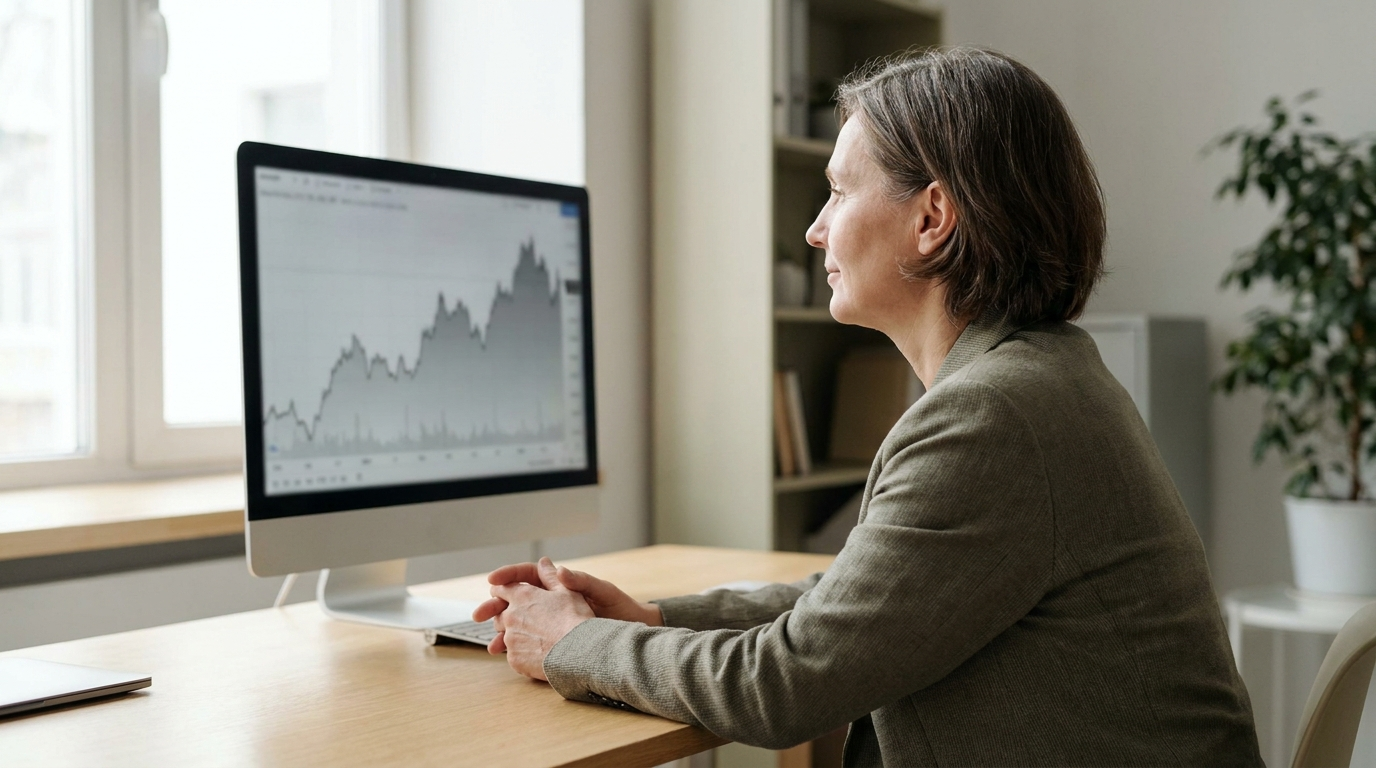
Most traders do not blow up because they missed a setup. They blow up because they could not sit still between setups. Patience sounds like the gentlest skill in trading. In practice it is the hardest, because it asks you to do nothing while every instinct is screaming at you to act. Waiting for the right setup is harder than trading, which is why FINRA's guidance on frequent intraday trading warns against overtrading and its day-trading resources stress selectivity.
Why doing nothing is so hard
Sitting in front of a live market is a constant stream of near-opportunities. Every wiggle looks like it might be the move. Add the fear of missing out, the boredom of a slow session, and the urge to make today productive, and "wait for your setup" becomes one of the toughest instructions to actually follow.
The honest truth is that boredom, not fear, ends most good days. A trader sits through a quiet morning, gets restless, and takes a marginal trade just to feel involved. That trade, not the market, is usually the problem.
What patience actually is
Patience is not passive. It is the active discipline of waiting for the specific conditions you decided on in advance, and declining everything else. It is a filter you apply on purpose, not a mood you happen to be in. The best traders are not calmer people by nature. They have just built a process that makes waiting the default.
How to train it
- Define your setup narrowly, in writing. If you know exactly what you are waiting for, it is far easier to recognize what is not it.
- Treat "no trade" as a successful outcome. A day where nothing qualified and you stayed out is a win, not a wasted day.
- Give your hands something else to do. Step away, journal, review. Restlessness fades fast when you are not staring at every tick.
- Count quality, not activity. Track how many of your trades actually met your criteria. The number you want to grow is that percentage, not the trade count.
The payoff
When you only take the trades you were actually waiting for, two things happen. Your average trade quality goes up, and your worst days get much less bad, because the marginal, boredom-driven trades that used to leak money simply stop happening. Patience does not feel like progress in the moment. Over a month, it is often the entire difference.
Patience is easy when the criteria are written.
No setup, no trade — boredom is not a signal.
Log good passes as wins too.

Frequently Asked Questions
Why is patience so hard in trading?
Because the market rewards action emotionally even when doing nothing is correct. Sitting on your hands feels like missing out, so traders take marginal setups to relieve the discomfort, which is exactly how good accounts leak away.
Is not trading really a position?
Yes. Choosing not to trade when no setup qualifies is an active decision that protects your capital and your limits. Consistent traders are comfortable doing nothing when nothing is there.
How do I become more patient as a trader?
Define in advance exactly what a valid setup looks like, and treat anything outside it as off limits. A written checklist turns patience from a feeling you have to summon into a rule you simply follow.
Does patience mean trading less?
Usually yes, and that is often an improvement. Fewer, higher-quality trades tend to beat many marginal ones, because each low-conviction trade adds risk without adding edge.
How does patience help inside a funded account?
A funded account has hard loss limits, so avoiding forced, low-quality trades keeps you well inside them. Patience is what stops boredom or fear of missing out from turning into a rule breach.
Why is patience so hard in trading?
Because the screen is always open and doing nothing feels like missing out, so traders force trades to feel productive. In a funded account, those forced trades spend your risk. Patience means accepting that the best trade is often no trade.
How do I build patience as a funded trader?
Define your setups precisely so you know exactly what to wait for, track the trades you correctly skipped, and step away during dead markets. In a funded account, rewarding yourself for waiting, not just for trading, is how patience becomes a habit.
Build discipline inside real structure
A clear, rules-based path to funding without risking your own capital.
Get Funded →